
Endodontics (treatment of ducts), also known as “killing the nerve” is a dental procedure that consists of removing damaged tissues from the inside of the tooth. First cleaning the radicle ducts (where the dental pulp is located) using files and root canal and fill them with a substance that prevents the germs from remaining inside them, as well as a new development of these.
When is a root canal treatment necessary?
We will ask ourselves than when a root canal treatment is necessary. It will be when the pulp is irreversibly affected by deep decay, traumas or endo-periodontal lesions. In these cases, the tooth can become sensitive to cold, heat or chewing. The pain may be intermittent or constant. Even the tooth may change color, or a phlegmon or fistula may appear. It could also be recommended endodontics in teeth that require large carvings for the subsequent placement of crowns or bridges.
Does a root canal treatment hurt?
The endodontic treatment is usually practically painless, thanks to the use of local anesthetics very effective and long-lasting. Once the procedure is finished, and the effect of the anesthesia is over, some discomfort may appear for a few days, especially with chewing, due to the postoperative inflammation of the tissues surrounding the tooth. In these cases, adequate medication would be required.
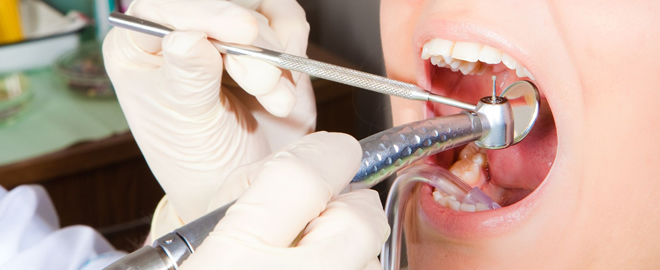
The treatment of endodontics can be carried out in one or several phases depending on the dental piece and the situation of the tooth, as well as the clinician and his material to carry out the treatment, both manual and rotary. It can be done in a single phase where the so-called “cure” is performed, which consists of cleaning the duct through the aforementioned files and cleaning with liquids suitable for them by irrigating syringes by placing a temporary cement to cover the existing hole and in a second phase another day perform the duct filling and the reconstruction of the piece.
What should I do after a root canal?
After endodontics, if the treatment has been carried out in the correct way, and the reconstruction of the piece has been the ideal one for the tooth. This piece should be kept as the rest of the mouth with its daily hygiene as well as its revisions, thus avoiding the appearance of possible cavities both in the piece itself and in the adjacent teeth.
Many wonders if there is an alternative treatment to endodontics and we must answer that after the experience in the dental field is advised as a first option and priority to try to maintain the natural dentition. When it is not possible, the alternative is the extraction and replacement of the tooth; but it must be borne in a brain that no form of substitution, including the implant, can compete with a natural tooth regarding aesthetics.
For all these reasons, the success of the root canal treatment in Delhi is directly related to the patient’s condition, the professional’s ability and the criteria of functionality required. In-depth knowledge and updating of these factors are essential during the professional practice of endodontics.