Does It Hurt to Get a Dental Cleaning?

There is a belief that dental cleaning by professionals can cause teeth to become more easily soiled. This is one of the myths that exist about dental cleaning, but today we want to make it clear that it is not true and that professional cleaning is essential to maintain the health of your mouth.

The first characteristic you should know is that calculus or dental calculus occurs as calcification of the bacterial plaque by depositing calcium salts. These salts come from saliva, so it is said that saliva produces tartar. For this reason, it is important to perform daily deep hygiene, but it is not enough since the tartar adheres so firmly to the enamel that to eliminate it you have to resort to teeth cleaning cost.

The consequences of not doing this cleaning can be three:

Oral hygiene is something essential and necessary to avoid possible problems and diseases. In addition to daily care at home, it is advisable to visit the dentist once or twice a year and have a deep oral cleaning and revision.

Although, the periodicity depends on each person, as well as their habits, genetics, nutrition, and quality of their teeth. Everything influences the final state of our teeth.
Does dental cleaning hurt?

Generally, it does not have to hurt, but sometimes, if the gums are inflamed, it can cause some discomfort. Here we also have to distinguish between deep dental cleaning, curettage (both performed by a professional) and the daily cleaning at home.

Gingivitis: It is the inflammation and infection that destroys the support tissues of the teeth. This may include gums, periodontal ligaments, and alveoli (alveolar bone). The tartar irritates and inflames the gums. The bacteria and the toxins, they generate, cause the gums to become infected, inflamed and become sensitive.

Periodontitis: Happens when inflammation or infection of the gums (gingivitis) is allowed to advance without treatment. Infection and inflammation spread from the gums (gingiva) to the ligaments and bone that support the teeth. The loss of support causes the teeth to loosen and eventually fall off. Periodontitis is the leading cause of tooth decay in adults.

Halitosis: Bacterial decomposition of food residues produces the putrid smell of the mouth in between the teeth, salivary amylase, cells of the oral mucosa or blood, which produce volatile substances such as pure fatty acids and are usually provided by poor oral hygiene.

Also, recent studies indicate that there is a relationship between oral infections and cardiovascular diseases since the mouth can be a carrier of bacteria that can pass into the blood and affect other organs, such as the heart.

For all this, it is essential that, at least once a year, you turn to a dentist or hygienist so that, with a simple process that lasts about half an hour, you perform a deep cleaning of gums, remove plaque and tartar and polish your teeth. It is a painless process that provides excellent benefits for your health. Also, the teeth cleaning dentist can guide you on how to perform proper daily hygiene of your mouth.
Dental Implants – Are They Made For Me?

With dental implants, we can substitute missing teeth and give our new smile a completely natural look. Thanks to them, it is possible to replace one or more teeth and can also be used to stabilize and preserve dental prostheses.

For this reason, dental implants in Delhi are one of the best solutions for missing teeth.

Dental implants increase the quality of life

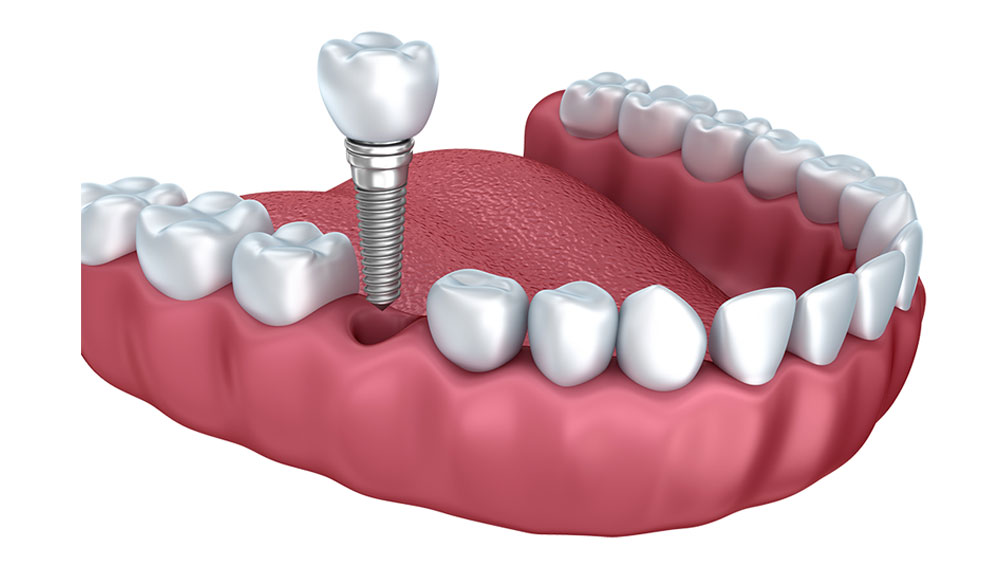
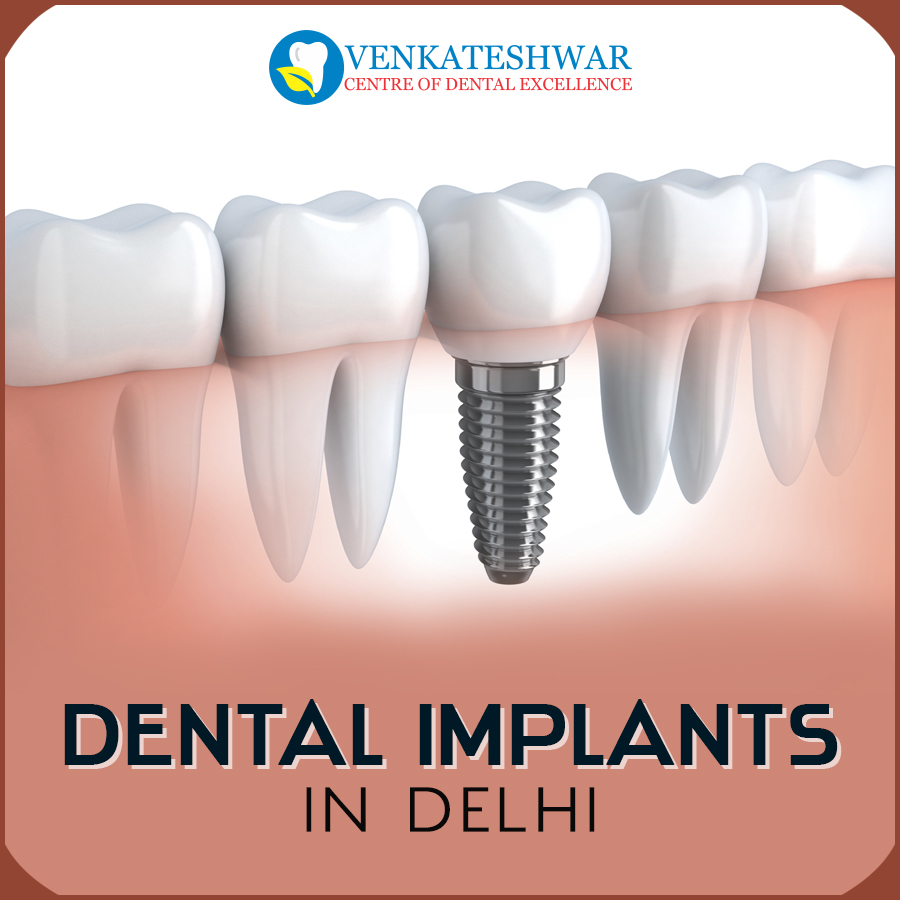
Many patients, for one reason or another, experience discomfort when wearing dental prostheses. Fixed prostheses on dental implants can solve this type of problem. The implant is an artificial root that is grafted into the bone. After implant grafting, the period required for osseointegration is followed.

Subsequently, the crown or bridge is constructed. It is important to say that implants increase the quality of life.

The modern methodology allows us to restore lost natural teeth without acting on the teeth next to them, offering a feeling of pleasure and lightness – in other words, today’s dental implants are designed to restore joy in your life. Thanks to the remarkable developments in implantology in the last decade and best dentists, tooth restoration has become an ordinary and safe procedure that offers a permanent solution at the highest level.

Am I the right candidate for dental implants?

To find out if you are the ideal candidate for dental implants, set your appointment as soon as possible. Your doctor will determine the state of your mouth and your teeth and will advise you on the type of surgery best suitable to you.

Dental implants are suitable for the majority of patients and have proved to be an excellent solution for patients suffering from cardiovascular disease, diabetes, and cancer. Before resorting to dental implants, however, patients suffering from certain diseases should discuss with their attending dental hospital India the possibility of using dental implants to avoid putting their health at risk.

Consult your doctor before using dental implants is not only recommended but essential in cases where:

– The patient suffers from gingival diseases: the presence of some problems and gingival diseases can compromise the success of the operation or osseointegration following the intervention.

– Certain medications are taken: Before getting the dental implant, it is essential to inform the doctor about any drugs.

– The patient is a smoker: Before implanting, it is necessary to notify the doctor of the habit of smoking as smoking can compromise the success of implant grafting or osseointegration.

– There is already a dental implant in the jaw: the pre-existence of a dental implant can improve the success of the dental implant in Dwarka and the quality of the smile and chewing. It is, therefore, necessary to inform the doctor given a possible replacement of the old system to make it more useful and stable.

– There may not be enough bone: in the case of insufficient bone thickness, a bone reconstruction may be necessary to create a suitable condition for the implantation of dental implants.

With the new technologies, dental medicine has also developed to solve patient problems. The lack of teeth today is no longer a problem and can be resolved quickly. So contact your dentist to improve the quality of your smile and your life.

When is It Really Necessary to Extract Wisdom Teeth?

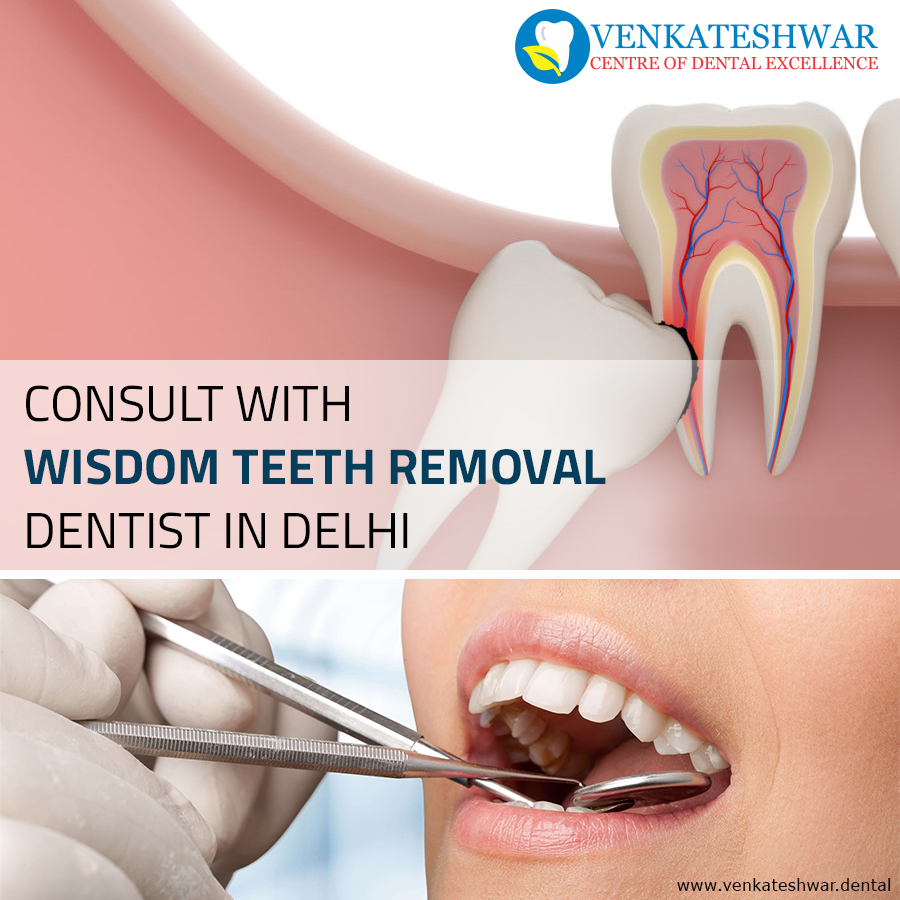
This is a classic question that many parents of teenage children, or the boys themselves, sooner or later arise, especially if the appearance of wisdom teeth is problematic or accompanied by pain or inflammatory processes in the gum. As known, wisdom teeth are the last molars, more precisely the third molar; two are placed on the upper maxillary arch and the other two on the lower mandibular arch.

These teeth usually appear at an age between 16 and 25 years (the “eldest age”), completing in all respects the permanent dentition. Sometimes one or more wisdom teeth may remain inside the bone and the gum, without coming out or coming out only partially. This may be due to the unique shape of the bones or the incorrect inclination of the tooth.

In these cases, inflammatory processes can also occur, even necessary, accompanied by severe pain. Sometimes it may be required to extract the tooth, an intervention that must be carefully evaluated considering several factors. We try to clarify this issue by answering the most frequently asked questions.

DO WISDOM TEETH ALWAYS HAVE TO BE REMOVED?

No, despite some popular beliefs and false myths say the opposite, there is nothing inherently harmful in the wisdom teeth: within the permanent dentition, they are of equal importance compared to the other teeth. Do not the wisdom teeth that have not entirely escaped have to be extracted? Although it may surprise you, the answer is no, not all wisdom teeth that have not leaked must necessarily be removed.

Some people have spent their complete lives with one or even all wisdom teeth that have not leaked, without presenting any symptoms or complications. The wisdom teeth removal cost changes if problems occur: in this case, it is the dentist who, based on his knowledge and experience, assesses whether or not to proceed with tooth removal.

On what considerations does the dentist base his decision? One of the factors on which the dentist bases his judgment is the degree of retention of the tooth. If the tooth is completely retained, there are usually no complications or specific symptoms, and therefore there is no need to intervene.

Finally, in the case of teeth erupted in the arch, the functionality and cleaning capacity of the tooth must be evaluated. If the antagonist’s tooth is absent, it may be useful to remove it as it is not functional. In fact, the teeth work in pairs and if the antagonist is missing it could extrude and lengthen causing essential problems. Moreover, if it is in a complicated position and the mouth is small, it can be difficult to clean with the risk of developing problems.

CAN THE EXTRACTION OF A WISDOM TOOTH DAMAGE ADJACENT TEETH OR CAUSE COMPLICATIONS?

In some cases, the removal of a completely enclosed tooth may lead to complications. For example, the lower wisdom teeth are placed near the mandibular nerve, the accidental injury of which can cause temporary or permanent paralysis of the lip. Also, the bone lining of the second molar or the bone itself of the mandible may undergo small changes or fractures during the removal of the wisdom tooth by wisdom teeth removal dentist. These are borderline cases, which generally do not occur, but it is right that the patient is aware of the potential risks.

This is How Deep Dental Cleaning Works

Most people usually brush their teeth once or twice a day, and only a few people do it after each meal, almost all use the brush and toothpaste and sometimes the thread to remove the trapped debris between the teeth; however, more than 96% of people suffer from an oral disease such as cavities or gum diseases. What is the reason for this? Then washing the boa is useless? What can we do?

Home hygiene eliminates most bacterial dental plaque, but only a professional cleaning can remove it in its entirety; that is why it is essential to go to the Dentist twice a year.

Deep cleaning

Some believe that the term “deep cleaning” refers to a constant or followed brushing after each ingested food; but in reality, deep cleaning teeth cost corresponds to a specific treatment done by a professional in the area.

First impression

Upon entering the dental office, the first thing you will do is to explore your complete health history to avoid possible alterations in your body. If you suffer from any disorder or illness, you should discuss it so that it takes the necessary precautions.

Material to determine a deep cleaning

Bad breath? Pain in your gums? The time has come. At this point, it is necessary that you go to the dentist, of course, if you want to avoid more pain and worse problems.

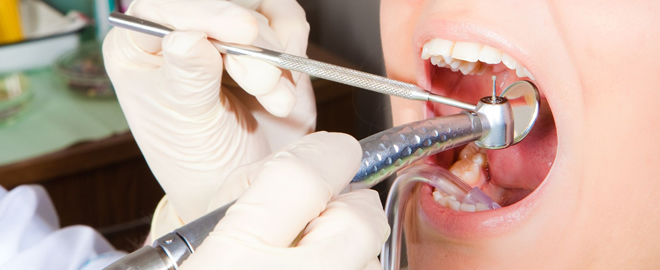
When going to your dentist, you will undoubtedly use multiple tools for the maintenance of your teeth. For example, an instrument called Probe, to calculate the area around your pieces and detect if a pocket of plaque and bacteria has accumulated between teeth and gums.

The time has come, cleaning time

The process is also known as scraping, polishing or brushing the crown. It involves removing the plaque and tartar that has formed on the surface of your teeth as in those annoying pockets between the piece and the gum.

With the latest dental technological advances, this brushing is done through ultrasound instruments, electric instead of manual, which could also be used, especially at the end of deep cleaning.

A break before continuing

The most advisable and what your dentist will do is give you a later appointment to follow up on the health of your teeth and gums; In addition to evaluating your brushing technique and strengthen the use of dental floss and accessories that you have recommended.

It also prevents cavities

Sometimes the appearance of decay is also due to diseases or immunological problems. The foods that we usually consume have high levels of glucose or ideal compounds for the formation of bacteria and later, the accumulation of decay.

Depending on the case, your teeth cleaning dentist must use scraping instruments to eliminate this infection. Some compound filling will be applied to fill the hole left by caries. In all cases, it is a painful process for you and your pocket.

It sharpens oral hygiene

Once the deep cleaning is over, you should follow your brushing routine and recommended mouthwash to the letter. You may be prescribed some fluoride-rich toothpaste, an antibacterial mouthwash, and the mandatory use of dental floss. Remember, the latter can reach those hidden places between your teeth that the brush does not have access to.

What is the Endodontic or Root canal Treatment?

Endodontics (treatment of ducts), also known as “killing the nerve” is a dental procedure that consists of removing damaged tissues from the inside of the tooth. First cleaning the radicle ducts (where the dental pulp is located) using files and root canal and fill them with a substance that prevents the germs from remaining inside them, as well as a new development of these.

When is a root canal treatment necessary?

We will ask ourselves than when a root canal treatment is necessary. It will be when the pulp is irreversibly affected by deep decay, traumas or endo-periodontal lesions. In these cases, the tooth can become sensitive to cold, heat or chewing. The pain may be intermittent or constant. Even the tooth may change color, or a phlegmon or fistula may appear. It could also be recommended endodontics in teeth that require large carvings for the subsequent placement of crowns or bridges.

Does a root canal treatment hurt?

The endodontic treatment is usually practically painless, thanks to the use of local anesthetics very effective and long-lasting. Once the procedure is finished, and the effect of the anesthesia is over, some discomfort may appear for a few days, especially with chewing, due to the postoperative inflammation of the tissues surrounding the tooth. In these cases, adequate medication would be required.

The treatment of endodontics can be carried out in one or several phases depending on the dental piece and the situation of the tooth, as well as the clinician and his material to carry out the treatment, both manual and rotary. It can be done in a single phase where the so-called “cure” is performed, which consists of cleaning the duct through the aforementioned files and cleaning with liquids suitable for them by irrigating syringes by placing a temporary cement to cover the existing hole and in a second phase another day perform the duct filling and the reconstruction of the piece.

What should I do after a root canal?

After endodontics, if the treatment has been carried out in the correct way, and the reconstruction of the piece has been the ideal one for the tooth. This piece should be kept as the rest of the mouth with its daily hygiene as well as its revisions, thus avoiding the appearance of possible cavities both in the piece itself and in the adjacent teeth.

Many wonders if there is an alternative treatment to endodontics and we must answer that after the experience in the dental field is advised as a first option and priority to try to maintain the natural dentition. When it is not possible, the alternative is the extraction and replacement of the tooth; but it must be borne in a brain that no form of substitution, including the implant, can compete with a natural tooth regarding aesthetics.

For all these reasons, the success of the root canal treatment in Delhi is directly related to the patient’s condition, the professional’s ability and the criteria of functionality required. In-depth knowledge and updating of these factors are essential during the professional practice of endodontics.

Can Dental Cleanings be Performed During Pregnancy?

When a woman is bearing a child, she may have many doubts during her pregnancy, and one of the most common is whether she will be able to go for dental cleanings without endangering the life of her baby, since, during pregnancy, the health of the teeth can be altered. The answer to this question is much easier than it might seem at first and it can be done.

In fact, if this is your case and you want to do a dental cleaning during pregnancy, you should know that not only is it possible, but it is also recommended that you do it because you will protect the baby from potential risks. The right time to undergo any dental treatment is the second trimester of pregnancy, since, in the first three months, the primary structures of the fetus are formed. Thus, the procedures that can be performed on a pregnant woman are fillings and endodontics, local anesthesia (although with great caution), analgesics, antibiotics, x-rays and mouth cleaning (especially without anesthesia).

GINGIVITIS

Dentist teeth cleaning is essential to remove tartar and treat gingivitis, which consists of inflammation and redness of the gums. In fact, it is so frequent, from the third month of gestation, that it is called gingivitis of pregnancy. The appearance of this oral problem is favored by the hormonal changes of pregnancy and effects, approximately, half of the pregnant women.

The cause of gingivitis, which can be accompanied by mouth pain and bleed, is a bacteria that forms between the teeth and gums. Therefore, anyone could be affected by this problem, but pregnant women are at a higher risk due to the grown levels of progesterone and estrogen. Often, these problems appear in the second month of pregnancy. Its peak is in the eighth month and, after delivery, begins to improve oral health.

But do not worry, because the risk factors that cause these problems can be quickly eliminated. You cannot control the hormonal changes of pregnancy, but there are several things you can do to help improve oral health during the gestation period: clean the teeth every day to remove dental plaque and cleanse the mouth with the dentist to remove tartar.

Neither should this problem be taken lightly, since, if it is not treated in a timely and appropriate manner, gingivitis could progress and become a periodontal or gum disease, which can eventually destroy the bones and fibers that they help the teeth stay fixed.

HOW TO PREVENT PROBLEMS IN THE MOUTH

We recommend you avoid sugary foods and brush your teeth after taking any food. Many times, pregnancy implies oral alterations that can be prevented with a good brushing after meals and cleaning between the teeth with dental floss. In the same way, you have to reinforce the tooth enamel and, for this, we advise you to use toothpaste with fluoride.

Also, it is essential to follow up. Therefore, we recommend going to several dental check-ups. One choice would be to go to the teeth cleaning dentist at the beginning of each trimester. However, you should postpone treatments that are not of maximum urgency, due to the drugs, since, during the first months of pregnancy, they should be avoided. Of course, during the second quarter, you can perform the interventions you need, as discussed above since there are different drugs and anesthetics on the market that are used without any problem for the pregnant or the baby.

In this way, according to the end of pregnancy, we recommend postponing dental treatments again, as the anxiety of the last days and the difficulties of the pregnant woman to lie down in the dental seat for an extended period can pose problems.

Wisdom Tooth Extraction: 3 Cases in Which It is Better not to Linger

When you experience problems with wisdom teeth, for example, because these cause inflammation, pain, and swelling, the first thing you think about is the risk and the fear that visiting a dental office is equivalent to receiving a wrong sentence: “Unfortunately the wisdom tooth should be removed.”

But when is their removal necessary?

Many times, in fact, this becomes a forced choice even in the absence of pain. It seems almost a standard practice, practically a rite of transition from adolescence to mature age.

The wisdom tooth extraction cost Delhi is undoubtedly the most common oral surgery in the dental field. We try to do some clarity and understand, in any case, when a wisdom teeth removal surgery is essential.

Inclusion

The reason that most frequently requires the extraction of wisdom teeth is due to problems related to its composition.

Very often, in fact, young people do not have the necessary space, in the dental arches, to receive the wisdom teeth, which maybe come out partially or the gum even covers them.

The wisdom tooth, in fact, is a tooth frequently included, with a prevalence of inclusion of the inferior relative to the superior.

Inclusion associated with other diseases

The composition, total or partial, of the wisdom tooth, can cause pain, inflammation, swelling and sometimes presents other related disorders such as:

1. Pericoronitis: In addition to causing redness and swelling if not treated promptly, it can degenerate into painful, purulent or chronic abscesses. Generally, it tends to hit the wisdom tooth more when it remains partially covered by the gingival tissue. If the tooth only makes “peep” it is, in fact, more difficult to clean itself, the absence of which can lead to this disease.

2. Caries: partially included in the wisdom teeth, due to poor oral hygiene due to the unfavorable position, caries can arise. It can also affect the neighboring teeth.

3. Cysts: the retention of the wisdom tooth can accompany a tooth cyst. Fortunately, the incidence of this combination is very poor, reaching just under 3% of cases.

4. Odontogenic tumors: the onset of included wisdom tooth odontogenic is very rare.

Incorrect position – Damage to nearby teeth

Another reason why it is necessary to proceed with the removal of a wisdom tooth is the possibility that the tooth grows in the wrong direction, thus going to damage the second molar that is close.

In fact, this phenomenon generally causes carious lesions that are quite deep.

The incorrect position in which the wisdom tooth grows depends on the way in which the axis of growth is formed: it could develop horizontally, going to cause precisely those problems just mentioned.

The indications concerning the extraction of the wisdom tooth on the part of the wisdom teeth removal dentist they can, therefore, be of a therapeutic nature when there are no other ways to solve pathologies in progress. However, it is also possible to have indications of a strategic nature, correlated and functional to other curative procedures: for example, we think of orthodontics, of implantology, of prosthetic reconstructions about molar contiguous.

In all cases represented, in any case, the advice is not to linger.

Dental Implants: A Solution to Your Dental Problem

Smile, chew and please others: We all know how important it is to take care of your teeth and how much attention we must devote daily to our teeth. It may happen, however, that one or more teeth are permanently compromised by trauma, diseases or other conditions that obscure the health and beauty of your mouth. If you are also looking for a solution to your dental problem, know that dentistry has made great strides in the last decades, offering increasingly effective and lasting solutions.

The dental implantology, in particular, takes care of replacing the missing teeth through dental prostheses that are more and more beautiful, restoring the aesthetics and functionality of the dental arches.

Moreover, thanks to the immediate loading implantology, the replacement of the missing tooth can take place within a brief period, reducing to a minimum all the inconveniences related to surgery and those of the post-operative period.

The cost of a dental implant: how much does a fixed denture cost?

Perhaps you are wondering what the economic impact of a dental implant is, especially when compared to the cost of a traditional denture. How much is the mobile dental implant cost in India, instead, a fixed? First of all, it is necessary to specify that the prices vary considerably depending on the chosen materials, the technologies used and the difficulties identified by the best dental hospital in India during the preliminary visits. It may be necessary, for example, to remove old implants or to treat existing pathologies that prevent the placement of the dental bridge or implant.

Moreover, the cost of a denture is on average lower than an immediate loading implant surgery, for which one or more surgical operations are necessary – with related costs of anesthesia – in addition to the value of the materials used. All the costs of a fixed tooth implant, however, will be amortized over time: it is a state-of-the-art technique that not only minimizes pain and contraindications but offers potentially permanent results by definitively solving the problem of missing teeth. Choosing a fixed system, in short, means making a long-term investment in your health.

Dental implantology: Pain

One of the most significant benefits of the new immediate load dental implant techniques is the reduction of the problems typically associated with traditional prostheses. There are at least two advantages in choosing a dental implant: reduced pain and lower contraindications.

The positioning of fixed prostheses or dental bridges that rest on prosthetics, in fact, takes place during a session under local anesthesia, with minimal impact on the gums and on the bone, immediately restoring the aesthetic integrity of the arch and favoring the fastest recovery of the chewing. The pivot can even be positioned during the same session dedicated to the extraction of the compromised tooth, allowing the placement of a temporary crown that will perform a temporary aesthetic function, accompanying the patient until the complete healing of the mandibular bone. The advanced dental implants in Delhi also allows the use of dental implants without bone, making it possible to place implants even in subjects with a rarefied mandibular bone. What once was an obstacle, in short, has today been overcome by the new techniques offered by dentists in Delhi NCR.

Frequent Problems of Dental Fillings

The placement of dental fill is one of the necessary steps when restoring a decayed tooth, and in this sense, one can say that people are facing a simple and painless treatment that is performed in a single session. Despite this one cannot forget that a series of frequent problems of dental fillings can occur and this can be due to a wide variety of causes such as the poor performance of the specialist or the use of poor quality materials.

Frequent problems of dental fillings

One of the fundamental issues related to dental fillings is allergic reactions, primarily due to reactions with some of the components such as mercury or those metals that are used in amalgam restorations. In these cases, the symptoms are similar to any other reaction that occurs in the skin like rashes and itching. Cost of tooth filling varies as per the dentist’s experience; confirm the cost of the procedure before undergoing it.

A toothache is one of the consequences that occur when there are problems in the fillings or if you are facing a deep decay. It is possible that it affects the pulp of the tooth and cause pain that becomes very intense and sharp. The solution to this problem is to resort to a root canal, this is a widespread intervention and is known by the name of Endodontics.

It is very common for fillers to suffer deterioration and wear process over time; the most advisable option is to go periodically to a dentist to check the condition of the filling and in this way, it will not only ensure its correct functionality, but also avoid the development of new tooth decay.

What types of dental fillings are there?

There are different materials with which the dentist makes dental treatment fillings:

Composite dental fillings

They are dental fillings that are completely in disuse since their toxicity is scientifically proven. The composition of these fillings are metals such as silver (Ag) and zinc (Zn), and all this is linked by liquid mercury (Hg) which, when amalgamated with the other metals, hardens forming a very resistant metallic alloy.

Dental amalgam fillings are used for many years by dentists, but due to its high toxicity and the total absence of aesthetics, since they are metallic in color, they have been displaced by other types of less toxic and high aesthetic fillings. Metal dental filling cost is high, which is also a reason for its replacement with other filing methods.

Amalgam dental fillings

Dental fillings or composite fillings are most used today in dental offices. Its high aesthetics and ability to resemble the natural tooth make it the perfect paste. It requires a rigorous management technique that if correctly used can make these fillings last for many years without causing any problems.

There are also different types and qualities of the composite with which dental fillings are made, so it is essential to go to a trusted clinic where they can adequately advise you on what type of composite is most suitable to restore the damaged tooth, since for each type of restoration should use a composition other than composite.

Ideal Dental Treatments for a Broken Tooth

It is common for adults to suffer sudden breakage of a tooth, especially those who have large fillings. The force that you apply with chewing over the years leads to fine cracks in the base of the fillers until a piece of the tooth breaks. It does not usually involve pain and the sufferer should not worry too much because it is not something that can go worse. However, it is essential to restore it before having a new fracture.

If the broken teeth are in the back of the mouth, the restoration may wait for a while, but in case the fractured tooth is the frontal one, the aesthetic problem will require a visit at dental hospital in India as soon as possible.

Cracked teeth

Unexplained pain in the posterior teeth usually finds an answer in the cracks that can form them. These get worse over time with chewing, in a way similar to the cracks that occur in the car’s windshield. These cracks can lead to the breaking of a cusp of the tooth.

More worrisome are the cracks that extend to the nerve of the tooth or the root. Teeth with these types of cracks are difficult to repair, so it is essential to diagnose the problem as soon as possible. In case it can be saved, it will usually require a root canal.

Cracked and broken tooth treatment:

Dental crowns, inlays, and dental fillings are the three treatments for broken and cracked teeth:

Dental crowns: It is the most invasive restoration but also the one that manages to restore the function of the tooth in a long-lasting way. They can be made of porcelain and metal or 100% porcelain, an option with better aesthetic features.

Inlays and Onlays: They are small versions of the crowns that allow keeping the healthy parts intact. They are used when the damage is minor and can be made of resin or porcelain.

Fillings: The teeth with a broken cusp can be fixed with a filling. Although this does not reinforce the tooth completely, it protects it from future fractures.

Dental splint

Sometimes the teeth after receiving a blow do not break, only suffer slight mobility that can be resolved with the use of a rigid splint resting on other teeth to restore tooth health and prevent further movement.

The dental splints can be made with resin or with an orthodontic wire fixed with resin generally for two weeks; this period will determine the level of mobility. Check broken tooth treatment cost at multiple websites before undergoing any treatment.

Dental resin

The dental resin will be used to reconstruct a tooth that has suffered a slight fracture at the edge, giving the appearance of being unattached. When reconstructing this edge with resin, aesthetics is returned to the smile.

Endodontics

Dental trauma can affect the internal part of the tooth, referring to the dental pulp or nerve, which can be affected by changes in temperature.