Advantages of Digital Scanners in Dentistry

Do you hate the idea of having messy and uncomfortable dental impressions? You are not alone! Lots of people find it difficult to tolerate ordinary tray impressions where a soft impression material is placed in the tray and which is then fitted in your mouth and left to set. Although it only takes a few minutes for the impression material to harden, it can seem like a lifetime for some people. A good dental impression is necessary, so your new dental restoration can be accurately fabricated. Hence the revolutionary digital dental scanner is making the waves as it is less cumbersome.

What are the main advantages of digital scanners in dentistry?

One of the main advantages is, of course, patient comfort. It is important to us that you feel as comfortable and relaxed as possible during any treatment needed. We know this is often difficult for people who struggle with conventional impressions and especially for patients with a strong gag reflex. Ivory Dental Care much prefers digital dental impressions because they are highly accurate which helps to ensure the final dental restoration is well-fitting. A properly fitting, precision-made restoration looks and feels better, and it protects the tooth, ensuring disease-causing bacteria are more effectively prevented from entering the tooth.
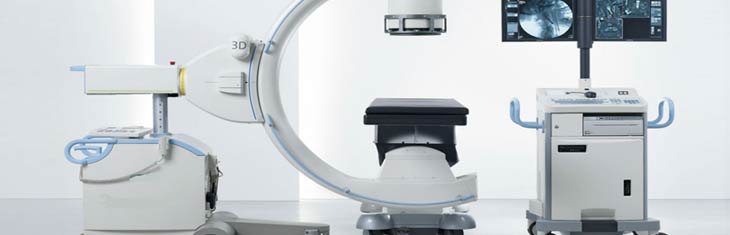
Another reason why digital dental scanner is preferred is that they can immediately check the quality of the impression screen and while you are still seated comfortably in the dental chair. If any alterations are needed, then it’s easy to do so. With this technology, the dentist in dwarka can even enlarge and magnify certain sections of the digital impression and can check to ensure there is sufficient space for the new restoration to be properly made; making sure that it will look great and feel comfortable, and will be fully functional. If needed, they can adjust your tooth preparation and can retake the impression before it is emailed to the dental laboratory. Continue reading

What’s to Know about the Two Common Types of Tooth Fillings?

Dental fillings create a long-lasting barrier that protects the tooth from further decay. This becomes important in protecting overall dental health because it prevents bacteria from making its way into the tooth pulp – the part of the tooth roots have nerves and receive blood supply. Getting and properly maintaining dental fillings can prevent the need for more painful, more serious and more expensive procedures such as root canals in the upcoming period of a patient’s life. The dental hospital in Dwarka recommends getting fillings checked routinely in exams at least once a year.

Each type of filling has its own virtues and price. Regardless of filling type, dental fillings are always vulnerable to surrounding bacteria and decay, as well as potential fractures, so it is important to have them checked regularly. The average lifetime of a filling is approximately six years before it needs to be replaced, but fillings can also fall out if there is too much decay of the surrounding tooth structure. Some of the people also have the tendency to eat some of the foods that need to be munched a lot. As a result, the shelf life of this tooth filling may get reduced by a few years.

In view of keeping the tooth filling cost in Delhi reasonable as well as beneficial, the dentist in the best hospitals in India primarily count on the following tooth filling methods.

1. Amalgam filling- The oldest type of filling is the amalgam filling made of a mixture of silver, copper, tin and mercury. Amalgam fillings are the least expensive and most durable of the filling types that have been studied and recommended by the American Dental Association (ADA). However, there are concerns about the volatility of mercury and its potential to poison when present in large enough amounts. Continue reading

Symptoms & Causes of Tooth Abscess

There are plenty of problems that occur in our mouth. But among all one of the major issues faced by most of the individuals are abscess teeth. Thus we need to have a fair amount of knowledge about this dental condition and how it can be prevented with proper consultation with the best dental hospital in Delhi NCR. Before knowing about the signs we must be aware of what abscess tooth is.

Abscess tooth, which is adjacent to a place where pus gets deposited and forms like a pocket. Why do these pus forms? The pus formation is due to the bacterial infection. Bacteria get in via a dental cavity or a chip or crack in the tooth and later spread all the way down to the root. It may also causes swelling and inflammation at the edge of the root. The dental abscess are classified based upon the place of pus formation as they can be formed anywhere inside mouth, the abscess can also occur at different regions of the tooth.

The two types of abscess tooth are periapical abscess and periodontal abscess. Many a time and in most of the cases, the periapical abscesses emerge in the root of the tooth due to the accumulation of the bacteria infection piled up in the pulp of the tooth. This accumulation is due to the tooth decay and broken teeth. When coming to the other type periodontal abscess, it occurs usually in the gums closest to the tooth and mostly forms within the tissues of the periodontium.

Danger signs are

The danger signs of abscess tooth are many; first we will know the initial symptoms. The primary danger signs are localized swelling and pain in your face or cheek which later leads to progressively worse conditions in few days, sensitivity towards hot and cold temperatures especially when we are affected by periapical abscesses, pain during biting or chewing of hard stuffs, and also there are chances for the person to be affected by fever.

The major symptoms are relentless toothache, the reddish swollen gums, filthy taste in mouth and bad breath.

What if, it remains untreated?

It has often been underlined by the best dentist in Dwarka that regular dental check up is very much important like any other health checks. If not then the dangers tooth abscess loom large. The unprocessed bacterial infection from a tooth abscess can be strangely dangerous and it might spread to your jaw, neck, or brain. It might also develop sepsis (the presence in tissues of harmful bacteria and their toxins, typically through infection of a wound) otherwise known as septicaemia, as we all know that sepsis. In the aggravated stages, a person is also staring at the risk of serious complications like Ludwig’s Angina. Its occurrence is largely caused due to the two types of bacteria namely Streptococcus and Staphylococcus. This risks the closing down of the airway and may lead to suffocation. It may also bring a serious issue called brain abscesses which may occur rarely, leads to surgical drainage and hyperbaric oxygen therapy (HBOT), and other bacterial infections such as meningitis, which can require lengthy hospitalization.

Individuals with weak immune systems have a higher risk of the bacterial infection extending from their tooth to the other parts of their body. More so because the veins of the teeth have a proximity to the brains and this can spread the infections rapidly from the tooth to the jaw and eventually to the brain.

To avoid facing the dental problems of this scale and complexity, one must monitor the abnormalities that raise the dangers of abscess tooth. Needless to say, an appointment with the best dentist in Dwarka must be booked for consultation so your dental health can ward off even the faintest of abscess tooth.

5 Reasons Why You should not Delay Your Root Canal Treatment

So you visit a dental hospital and for a check-up only to be told that you need a root canal as the tooth root has damaged, infected or inflamed. Although the dentist is of the opinion that a root canal treatment is most necessary, you have a question; Do I really have to go for it? Many of us have heard of this dental treatment but we still feel find ways to do away with it. But we should not!

Whenever we dentists recommend a root canal treatment in Delhi, we have good reasons for doing so. We give you the top five reasons why it is important to not delay the root canal treatment:

1. The tooth is infected and dying- The root canal of the tooth is instrumental in keeping the infection at bay. Unlike the hard outer layer of the tooth, the inner pulp is made of soft and living tissue. The tissue can be a subject of infection through deep decay, cracks in the tooth surface etc. and begins to break down. Once that happens, a root canal treatment is needed right away. This helps to stop the pain, control the infection, and preventing it from spreading to other tooth.

2. Root Canal Treatment Alleviates Pain- The root canal treatment in Delhi shuns the myth of the procedure being painful. As a matter of fact, it doesn’t’ cause pain. Rather it relieves it. The root canal treatment is relatively painless, despite the old stories you might have heard. Though it may take a little longer but it is not as painful as getting the cavity treated. Therefore, root canal treatment should be done as the sooner you do this, the sooner you will be pain free. Continue reading

Does It Hurt to Get a Dental Cleaning?

There is a belief that dental cleaning by professionals can cause teeth to become more easily soiled. This is one of the myths that exist about dental cleaning, but today we want to make it clear that it is not true and that professional cleaning is essential to maintain the health of your mouth.

The first characteristic you should know is that calculus or dental calculus occurs as calcification of the bacterial plaque by depositing calcium salts. These salts come from saliva, so it is said that saliva produces tartar. For this reason, it is important to perform daily deep hygiene, but it is not enough since the tartar adheres so firmly to the enamel that to eliminate it you have to resort to teeth cleaning cost.

The consequences of not doing this cleaning can be three:

Oral hygiene is something essential and necessary to avoid possible problems and diseases. In addition to daily care at home, it is advisable to visit the dentist once or twice a year and have a deep oral cleaning and revision.

Although, the periodicity depends on each person, as well as their habits, genetics, nutrition, and quality of their teeth. Everything influences the final state of our teeth.

Does dental cleaning hurt?

Generally, it does not have to hurt, but sometimes, if the gums are inflamed, it can cause some discomfort. Here we also have to distinguish between deep dental cleaning, curettage (both performed by a professional) and the daily cleaning at home.

Gingivitis: It is the inflammation and infection that destroys the support tissues of the teeth. This may include gums, periodontal ligaments, and alveoli (alveolar bone). The tartar irritates and inflames the gums. The bacteria and the toxins, they generate, cause the gums to become infected, inflamed and become sensitive.

Periodontitis: Happens when inflammation or infection of the gums (gingivitis) is allowed to advance without treatment. Infection and inflammation spread from the gums (gingiva) to the ligaments and bone that support the teeth. The loss of support causes the teeth to loosen and eventually fall off. Periodontitis is the leading cause of tooth decay in adults.

Halitosis: Bacterial decomposition of food residues produces the putrid smell of the mouth in between the teeth, salivary amylase, cells of the oral mucosa or blood, which produce volatile substances such as pure fatty acids and are usually provided by poor oral hygiene.

Also, recent studies indicate that there is a relationship between oral infections and cardiovascular diseases since the mouth can be a carrier of bacteria that can pass into the blood and affect other organs, such as the heart.

For all this, it is essential that, at least once a year, you turn to a dentist or hygienist so that, with a simple process that lasts about half an hour, you perform a deep cleaning of gums, remove plaque and tartar and polish your teeth. It is a painless process that provides excellent benefits for your health. Also, the teeth cleaning dentist can guide you on how to perform proper daily hygiene of your mouth.

Dental Implants – Are They Made For Me?

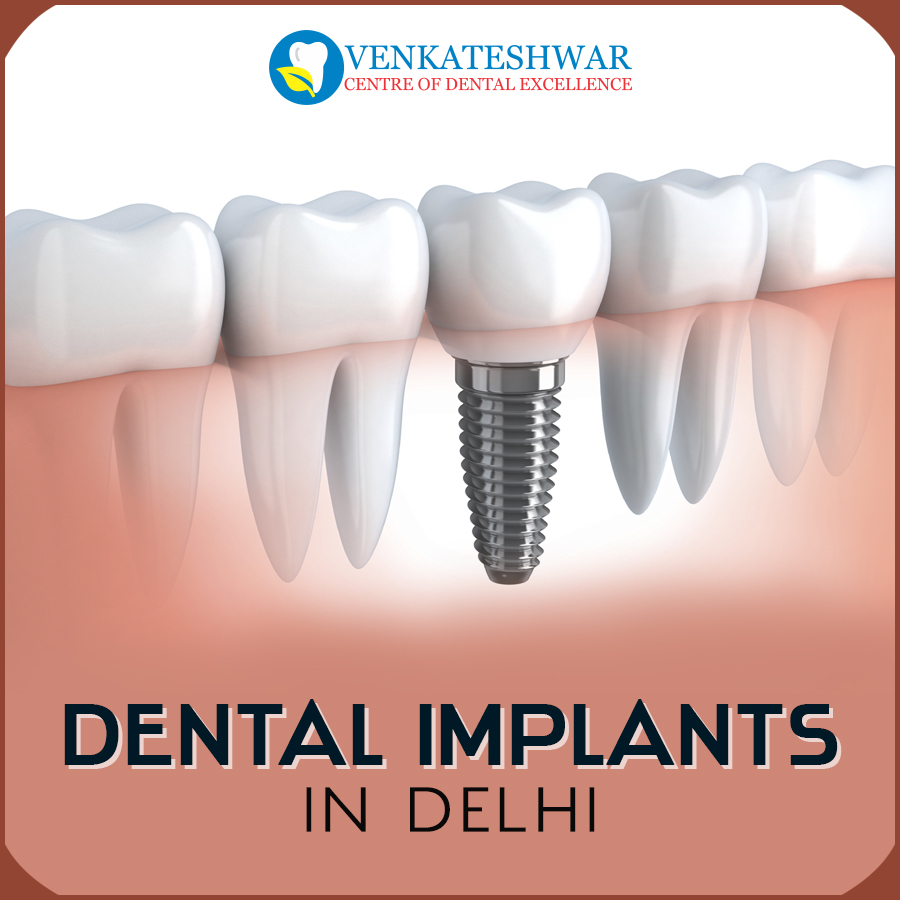
With dental implants, we can substitute missing teeth and give our new smile a completely natural look. Thanks to them, it is possible to replace one or more teeth and can also be used to stabilize and preserve dental prostheses.

For this reason, dental implants in Delhi are one of the best solutions for missing teeth.

Dental implants increase the quality of life

Many patients, for one reason or another, experience discomfort when wearing dental prostheses. Fixed prostheses on dental implants can solve this type of problem. The implant is an artificial root that is grafted into the bone. After implant grafting, the period required for osseointegration is followed.

Subsequently, the crown or bridge is constructed. It is important to say that implants increase the quality of life.

The modern methodology allows us to restore lost natural teeth without acting on the teeth next to them, offering a feeling of pleasure and lightness – in other words, today’s dental implants are designed to restore joy in your life. Thanks to the remarkable developments in implantology in the last decade and best dentists, tooth restoration has become an ordinary and safe procedure that offers a permanent solution at the highest level.

Am I the right candidate for dental implants?

To find out if you are the ideal candidate for dental implants, set your appointment as soon as possible. Your doctor will determine the state of your mouth and your teeth and will advise you on the type of surgery best suitable to you.

Dental implants are suitable for the majority of patients and have proved to be an excellent solution for patients suffering from cardiovascular disease, diabetes, and cancer. Before resorting to dental implants, however, patients suffering from certain diseases should discuss with their attending dental hospital India the possibility of using dental implants to avoid putting their health at risk.

Consult your doctor before using dental implants is not only recommended but essential in cases where:

– The patient suffers from gingival diseases: the presence of some problems and gingival diseases can compromise the success of the operation or osseointegration following the intervention.

– Certain medications are taken: Before getting the dental implant, it is essential to inform the doctor about any drugs.

– The patient is a smoker: Before implanting, it is necessary to notify the doctor of the habit of smoking as smoking can compromise the success of implant grafting or osseointegration.

– There is already a dental implant in the jaw: the pre-existence of a dental implant can improve the success of the dental implant in Dwarka and the quality of the smile and chewing. It is, therefore, necessary to inform the doctor given a possible replacement of the old system to make it more useful and stable.

– There may not be enough bone: in the case of insufficient bone thickness, a bone reconstruction may be necessary to create a suitable condition for the implantation of dental implants.

With the new technologies, dental medicine has also developed to solve patient problems. The lack of teeth today is no longer a problem and can be resolved quickly. So contact your dentist to improve the quality of your smile and your life.

When is It Really Necessary to Extract Wisdom Teeth?

This is a classic question that many parents of teenage children, or the boys themselves, sooner or later arise, especially if the appearance of wisdom teeth is problematic or accompanied by pain or inflammatory processes in the gum. As known, wisdom teeth are the last molars, more precisely the third molar; two are placed on the upper maxillary arch and the other two on the lower mandibular arch.

These teeth usually appear at an age between 16 and 25 years (the “eldest age”), completing in all respects the permanent dentition. Sometimes one or more wisdom teeth may remain inside the bone and the gum, without coming out or coming out only partially. This may be due to the unique shape of the bones or the incorrect inclination of the tooth.

In these cases, inflammatory processes can also occur, even necessary, accompanied by severe pain. Sometimes it may be required to extract the tooth, an intervention that must be carefully evaluated considering several factors. We try to clarify this issue by answering the most frequently asked questions.

DO WISDOM TEETH ALWAYS HAVE TO BE REMOVED?

No, despite some popular beliefs and false myths say the opposite, there is nothing inherently harmful in the wisdom teeth: within the permanent dentition, they are of equal importance compared to the other teeth. Do not the wisdom teeth that have not entirely escaped have to be extracted? Although it may surprise you, the answer is no, not all wisdom teeth that have not leaked must necessarily be removed.

Some people have spent their complete lives with one or even all wisdom teeth that have not leaked, without presenting any symptoms or complications. The wisdom teeth removal cost changes if problems occur: in this case, it is the dentist who, based on his knowledge and experience, assesses whether or not to proceed with tooth removal.

On what considerations does the dentist base his decision? One of the factors on which the dentist bases his judgment is the degree of retention of the tooth. If the tooth is completely retained, there are usually no complications or specific symptoms, and therefore there is no need to intervene.

Finally, in the case of teeth erupted in the arch, the functionality and cleaning capacity of the tooth must be evaluated. If the antagonist’s tooth is absent, it may be useful to remove it as it is not functional. In fact, the teeth work in pairs and if the antagonist is missing it could extrude and lengthen causing essential problems. Moreover, if it is in a complicated position and the mouth is small, it can be difficult to clean with the risk of developing problems.

CAN THE EXTRACTION OF A WISDOM TOOTH DAMAGE ADJACENT TEETH OR CAUSE COMPLICATIONS?

In some cases, the removal of a completely enclosed tooth may lead to complications. For example, the lower wisdom teeth are placed near the mandibular nerve, the accidental injury of which can cause temporary or permanent paralysis of the lip. Also, the bone lining of the second molar or the bone itself of the mandible may undergo small changes or fractures during the removal of the wisdom tooth by wisdom teeth removal dentist. These are borderline cases, which generally do not occur, but it is right that the patient is aware of the potential risks.

This is How Deep Dental Cleaning Works

Most people usually brush their teeth once or twice a day, and only a few people do it after each meal, almost all use the brush and toothpaste and sometimes the thread to remove the trapped debris between the teeth; however, more than 96% of people suffer from an oral disease such as cavities or gum diseases. What is the reason for this? Then washing the boa is useless? What can we do?

Home hygiene eliminates most bacterial dental plaque, but only a professional cleaning can remove it in its entirety; that is why it is essential to go to the Dentist twice a year.

Deep cleaning

Some believe that the term “deep cleaning” refers to a constant or followed brushing after each ingested food; but in reality, deep cleaning teeth cost corresponds to a specific treatment done by a professional in the area.

First impression

Upon entering the dental office, the first thing you will do is to explore your complete health history to avoid possible alterations in your body. If you suffer from any disorder or illness, you should discuss it so that it takes the necessary precautions.

Material to determine a deep cleaning

Bad breath? Pain in your gums? The time has come. At this point, it is necessary that you go to the dentist, of course, if you want to avoid more pain and worse problems.

When going to your dentist, you will undoubtedly use multiple tools for the maintenance of your teeth. For example, an instrument called Probe, to calculate the area around your pieces and detect if a pocket of plaque and bacteria has accumulated between teeth and gums.

The time has come, cleaning time

The process is also known as scraping, polishing or brushing the crown. It involves removing the plaque and tartar that has formed on the surface of your teeth as in those annoying pockets between the piece and the gum.

With the latest dental technological advances, this brushing is done through ultrasound instruments, electric instead of manual, which could also be used, especially at the end of deep cleaning.

A break before continuing

The most advisable and what your dentist will do is give you a later appointment to follow up on the health of your teeth and gums; In addition to evaluating your brushing technique and strengthen the use of dental floss and accessories that you have recommended.

It also prevents cavities

Sometimes the appearance of decay is also due to diseases or immunological problems. The foods that we usually consume have high levels of glucose or ideal compounds for the formation of bacteria and later, the accumulation of decay.

Depending on the case, your teeth cleaning dentist must use scraping instruments to eliminate this infection. Some compound filling will be applied to fill the hole left by caries. In all cases, it is a painful process for you and your pocket.

It sharpens oral hygiene

Once the deep cleaning is over, you should follow your brushing routine and recommended mouthwash to the letter. You may be prescribed some fluoride-rich toothpaste, an antibacterial mouthwash, and the mandatory use of dental floss. Remember, the latter can reach those hidden places between your teeth that the brush does not have access to.

What is the Endodontic or Root canal Treatment?

Endodontics (treatment of ducts), also known as “killing the nerve” is a dental procedure that consists of removing damaged tissues from the inside of the tooth. First cleaning the radicle ducts (where the dental pulp is located) using files and root canal and fill them with a substance that prevents the germs from remaining inside them, as well as a new development of these.

When is a root canal treatment necessary?

We will ask ourselves than when a root canal treatment is necessary. It will be when the pulp is irreversibly affected by deep decay, traumas or endo-periodontal lesions. In these cases, the tooth can become sensitive to cold, heat or chewing. The pain may be intermittent or constant. Even the tooth may change color, or a phlegmon or fistula may appear. It could also be recommended endodontics in teeth that require large carvings for the subsequent placement of crowns or bridges.

Does a root canal treatment hurt?

The endodontic treatment is usually practically painless, thanks to the use of local anesthetics very effective and long-lasting. Once the procedure is finished, and the effect of the anesthesia is over, some discomfort may appear for a few days, especially with chewing, due to the postoperative inflammation of the tissues surrounding the tooth. In these cases, adequate medication would be required.

The treatment of endodontics can be carried out in one or several phases depending on the dental piece and the situation of the tooth, as well as the clinician and his material to carry out the treatment, both manual and rotary. It can be done in a single phase where the so-called “cure” is performed, which consists of cleaning the duct through the aforementioned files and cleaning with liquids suitable for them by irrigating syringes by placing a temporary cement to cover the existing hole and in a second phase another day perform the duct filling and the reconstruction of the piece.

What should I do after a root canal?

After endodontics, if the treatment has been carried out in the correct way, and the reconstruction of the piece has been the ideal one for the tooth. This piece should be kept as the rest of the mouth with its daily hygiene as well as its revisions, thus avoiding the appearance of possible cavities both in the piece itself and in the adjacent teeth.

Many wonders if there is an alternative treatment to endodontics and we must answer that after the experience in the dental field is advised as a first option and priority to try to maintain the natural dentition. When it is not possible, the alternative is the extraction and replacement of the tooth; but it must be borne in a brain that no form of substitution, including the implant, can compete with a natural tooth regarding aesthetics.

For all these reasons, the success of the root canal treatment in Delhi is directly related to the patient’s condition, the professional’s ability and the criteria of functionality required. In-depth knowledge and updating of these factors are essential during the professional practice of endodontics.

Can Dental Cleanings be Performed During Pregnancy?

When a woman is bearing a child, she may have many doubts during her pregnancy, and one of the most common is whether she will be able to go for dental cleanings without endangering the life of her baby, since, during pregnancy, the health of the teeth can be altered. The answer to this question is much easier than it might seem at first and it can be done.

In fact, if this is your case and you want to do a dental cleaning during pregnancy, you should know that not only is it possible, but it is also recommended that you do it because you will protect the baby from potential risks. The right time to undergo any dental treatment is the second trimester of pregnancy, since, in the first three months, the primary structures of the fetus are formed. Thus, the procedures that can be performed on a pregnant woman are fillings and endodontics, local anesthesia (although with great caution), analgesics, antibiotics, x-rays and mouth cleaning (especially without anesthesia).

GINGIVITIS

Dentist teeth cleaning is essential to remove tartar and treat gingivitis, which consists of inflammation and redness of the gums. In fact, it is so frequent, from the third month of gestation, that it is called gingivitis of pregnancy. The appearance of this oral problem is favored by the hormonal changes of pregnancy and effects, approximately, half of the pregnant women.

The cause of gingivitis, which can be accompanied by mouth pain and bleed, is a bacteria that forms between the teeth and gums. Therefore, anyone could be affected by this problem, but pregnant women are at a higher risk due to the grown levels of progesterone and estrogen. Often, these problems appear in the second month of pregnancy. Its peak is in the eighth month and, after delivery, begins to improve oral health.

But do not worry, because the risk factors that cause these problems can be quickly eliminated. You cannot control the hormonal changes of pregnancy, but there are several things you can do to help improve oral health during the gestation period: clean the teeth every day to remove dental plaque and cleanse the mouth with the dentist to remove tartar.

Neither should this problem be taken lightly, since, if it is not treated in a timely and appropriate manner, gingivitis could progress and become a periodontal or gum disease, which can eventually destroy the bones and fibers that they help the teeth stay fixed.

HOW TO PREVENT PROBLEMS IN THE MOUTH

We recommend you avoid sugary foods and brush your teeth after taking any food. Many times, pregnancy implies oral alterations that can be prevented with a good brushing after meals and cleaning between the teeth with dental floss. In the same way, you have to reinforce the tooth enamel and, for this, we advise you to use toothpaste with fluoride.

Also, it is essential to follow up. Therefore, we recommend going to several dental check-ups. One choice would be to go to the teeth cleaning dentist at the beginning of each trimester. However, you should postpone treatments that are not of maximum urgency, due to the drugs, since, during the first months of pregnancy, they should be avoided. Of course, during the second quarter, you can perform the interventions you need, as discussed above since there are different drugs and anesthetics on the market that are used without any problem for the pregnant or the baby.

In this way, according to the end of pregnancy, we recommend postponing dental treatments again, as the anxiety of the last days and the difficulties of the pregnant woman to lie down in the dental seat for an extended period can pose problems.