Complete Overview on Gum Lift Surgery

In the current scenario it is common to see a lot of individuals going for gum lift surgery to improve on their aesthetics. It is indeed a very good process to improve the appearance of smile. Besides improving aesthetics, this surgery may also be needed in conjunction with restorative procedures such as veneer or crown placement. The goal of this procedure is to remove or restructure the excess gum tissue surrounding the teeth. If done properly, it will make your smile more symmetrical and well-proportioned.

How should you prepare for gum surgery?

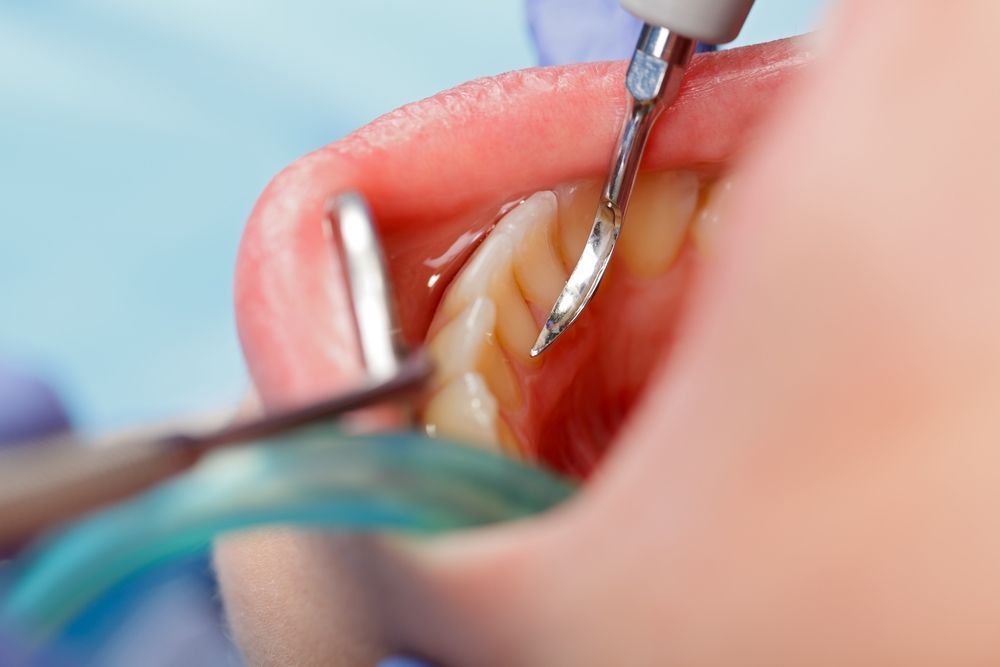
The process of preparing one’s self in terms of change in behavior is important so you can ensure a successful long-term treatment outcome. Such change includes forming improved oral hygiene habits, cessation of smoking, and other lifestyle modifications. Prior to the procedure, your dentist will also perform scaling and root planning to ensure that all plaque and calculus deposits on the root surfaces are removed. Scaling and root planning are often done using hand and/or ultrasonic instruments, though some dentist prefers the use of lasers. This procedure requires administration of local anesthesia to avoid sensitivity and other discomforts. In addition, occlusal bite therapy may sometimes be necessary as well to stabilize teeth that have been weakened particularly by advanced periodontal gum disease.
How is gum lift surgery done?

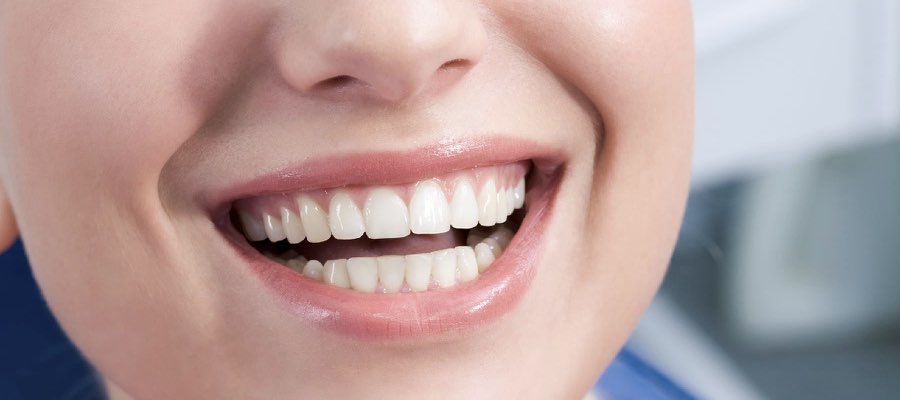
The process of gum lift surgery is done in the dental hospital Dwarka by chopping off the excess gum tissue which is usually the gum’s edge. The cutting instrument can be a surgical knife or laser. Some dentist may also suggest that some bone is removed proportionately to achieve a more permanent result. After the surgery, your dentist will put sutures which will have to be removed after a week. If you have no time for suture removal, you may ask your dentist to use resorbable sutures instead. Continue reading
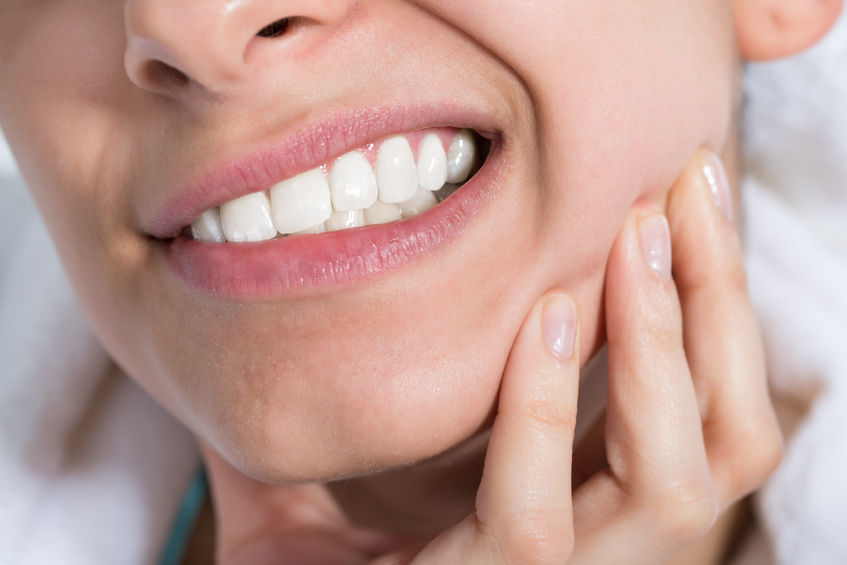
Why It is Important to have Root Canal Treatment?

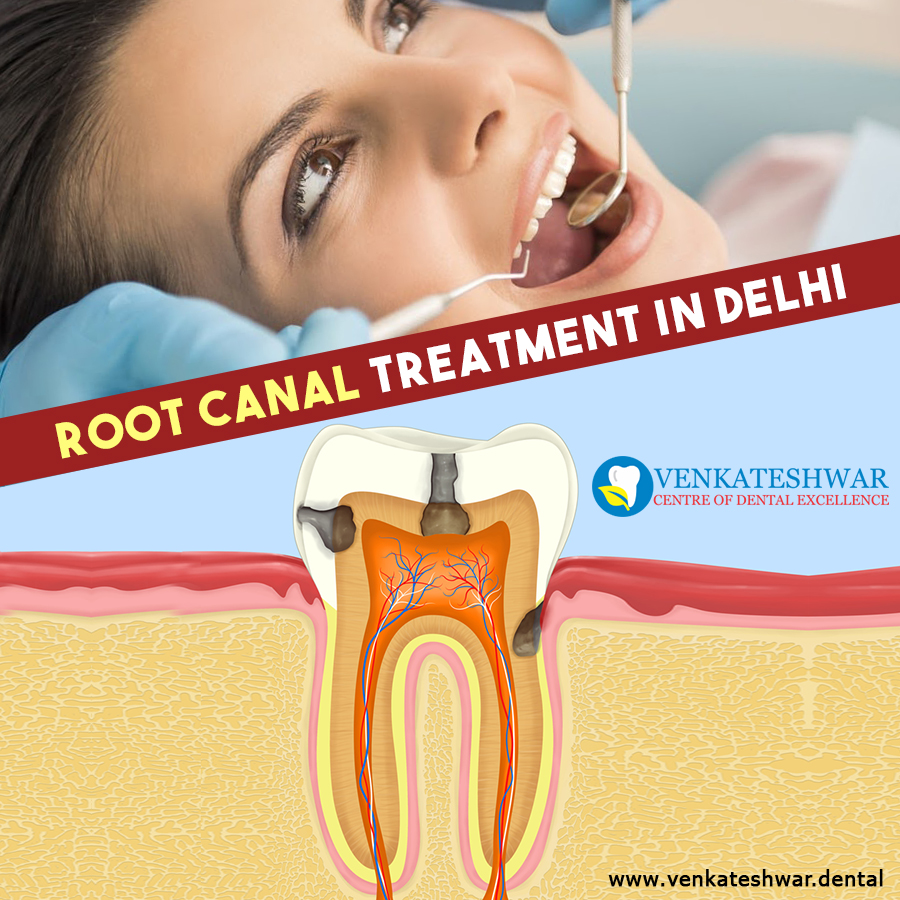
Root canal treatment is a highly skilled procedure designed to clear a tooth of infection. If one were to define it on more astute terms, this treatment is known as endodontics. The pulp or nerve at the centre of a tooth can become infected following dental trauma, or as a result of untreated decay. The first symptom of this is often a severe toothache that does not go away.

If the tooth that is infected has a very complex root canal anatomy – as is often the case with the rear molars – or you have had a previous course of root canal treatment that has not worked, the dental hospital in Delhi may still be able to save your tooth with the assistance of a dentist who has specialization in endodontics. Using a special endodontic microscope, they can treat even complicated cases successfully.

Root canal treatment involves the use of special equipment to clear the root canal of all infection, before filling the tooth and in many cases adding a crown to give it extra strength. This often requires at least two appointments, so that your dentist can be sure that the infection has completely cleared before they permanently fill the tooth.

Why is root canal necessary?

If you have a toothache you may be wondering what’s going on. More often than not it’s your dental pulp calling out in pain. A dental pulp is a structure that lies within the tooth that contains nerves. You can consider the pulp to be the feeling center of the tooth. When the pulp becomes infected or inflamed it will cause pain. Continue reading

Top Five Reasons for Toothache

Tooth pain, or toothache as others prefer to call it, is one of the most common dental problems. When we experience tooth pain, we always construe that it is tooth decay. But that is not always the case; there are other several reasons as to why you suffer from such tooth discomfort. Here is a list of the top five causes of tooth pain:

1. Tooth Decay- Commonly, tooth decay is the culprit. It is the dark or brown spots visible in the teeth. Tooth decay occurs when there are bacteria build up. This starts with the enamel and can go deeper into the pulp and nerves causing toothache.

2. Sensitivity- According to the top dentist in Delhi, a person tooth is marred by sensitivity when they feel a sudden jolt after you eat or drink hot or cold foods and liquids. Tooth sensitivity is due to inflammation of the pulp tissues inside a tooth. Another reason being that the enamel, the strongest layer of the teeth gets worn out due to brushing the teeth vigorously.

3. Bruxism- Grinding your teeth and clenching your jaw is called bruxism. Another definition defines bruxism as involuntary or unconscious clenching or grinding the teeth, typically during sleep. Bruxism causes tooth pain because of the damaged tooth and injured gums that you get from excessive teeth grinding and clenching. Bruxism can also cause malocclusion. It is when the teeth and jaw do not line up correctly.

4. Cracked Tooth- Cracked tooth is characterized of tiny fractures on the teeth that are not identified by x-rays, especially if the fracture is under the gum line. This happens when you chew too hard and puts pressure on your teeth. One may be astonished to know that cracked tooth is of different types and inflict injuries in the tooth on different scales. Some of the cracked tooth can appear as:

• Craze lines- These are ultra small cracks in the enamel. They do not cause any pain and don’t require any treatment.

• Split tooth- This is a tooth crack that runs through surface to below the gum line. It can actually be dissected into two segments. As the crack is extensive in nature, there is a very little likelihood that the tooth could be saved but the best dentist in Dwarka can certainly save a portion of it. Continue reading

Top Reasons to Go for Invisalign Instead of Braces

Since the time metal braces came to the fore in the dental treatment, it became a go-to method to repair all the tooth imperfections, the reason was simple; there was no alternative for the best dentist in Dwarka. Those days are truly in the past and clear aligners are the new wave. The most popular and most efficient clear aligner for your teeth is the Invisalign.

Invisalign treatment is a series of custom made, clear, and removable aligners designed to improve conditions such as overbite, underbite, overly pushed or closely contacted teeth, overly spaced teeth, and shifting teeth. There are many advantages to choosing Invisalign over traditional metal braces, let’s discuss top reasons that make invisalign a perfect alternative to braces.

1. Appearance – Nothing is more unattractive than a mouth full of metal, especially for an adult! Perfecting your smile doesn’t have to be an obvious endeavor anymore. Now you can discreetly make those changes to your smile that everyone is sure to notice.

2. Comfort- Equally as important as appearance is comfort! Braces must be routinely tightened and can be very uncomfortable. The aligners are comfortable because they are custom made, and they fight snugly over your teeth without the inconvenience of brackets and wires. One of the best things about Invisalign aligners is they are removable. Should you ever want to take them out for a brief period you have the ability to do so, something you would never be able to with metal braces.

3. Oral Hygiene- Poorly aligned teeth can cause problems with eating and can even affect your speech. Proper teeth alignment can improve the overall function you have of your mouth! With straighter teeth it is easier to keep the all the nooks and crannies clean to prevent cavities and gum disease. Continue reading

How Digital Dentistry can be Beneficial for Both Dentists and Patients?

In the recent century digital dentistry has been termed revolutionary method that has made its way in to the gateways of the best dental hospital in Delhi. The new technologies in the field of digital dentistry are the perfect solution to the age long dental problems that could not be performed efficiently for the traditional dental problem. Let’s shed light on how digital dentistry has simplified the treatment for some of the common and yet incurable dental problems.

Digital dentistry technologies provide high-quality care

Digital dentistry has successfully incorporated technology or devices like digital or computer-controlled components to aid the traditional methods. There are many more and customized methods of digital dentistry that are available right now. The common link among them is the immediate and detailed information that they are capable to provide, something that the traditional method could not produce in single sitting. Moreover, the traditional methods help in making the collaboration between the dentists and dental technicians in a more efficient way. As a result the diagnosis and restorations received from the best dentist in Dwarka are high on standards.

Computer-aided design and manufacturing of dentistry

One of the technologies in digital dentistry is CAD/CAM which involves computer-aided design and manufacturing of dental products. This technology comes in handy for the dental experts to create a dental restoration which is fast and more precise. The first step involves an intra-oral scanning of the patient’s teeth. Next, a digital file is sent to the dental lab where the dentists plan the restoration’s design using the computer software. The information is then sent to a milling machine that creates the prosthetic restoration. Continue reading

What is Dental Debridement?

You had the intention of going to the dentist, but you still have not found the moment. With work, children and the house, you have been postponing it, and when you have noticed, it had been two years since your last visit. When you have finally gone to the best dental hospital in India, the dentist has told you that you need a dental debridement to be able to recover the health of your teeth and gums. Does this sound familiar to you?

What is a dental debridement?

If you get yourself tangled in this situation, you will be asking yourself a couple of things. First, what is a dental debridement? And second, why is not it enough to perform a routine dental cleaning? The answers are quite simple. A dental debridement is a procedure performed to eliminate the accumulation of plaque, something that usually happens when you have not gone to the regular visits at teeth hospital in Delhi for some time.

Due to the accumulation of tartar and plaque, it is difficult for the dentist to detect dental caries, periodontal involvement and other types of problems. The dental cleanings are enough to eliminate the minimum accumulations, but they are not aggressive enough to reduce years of accumulation.

All about dental debridement

Dental debridement is usually a necessary treatment for all those patients who have not gone to the dentist in several years. By not receiving periodic dental cleanings, the plaque and tartar easily accumulate to such an extent that the dentist cannot diagnose the state of health of the teeth and gums. In many cases, this buildup not only occurs in the teeth but can also affect the areas under the gums, too.

So that your dentist can carry out a complete dental examination at dental hospital Delhi, you must first perform a dental debridement in which you scrape the thick deposits of tartar and remove them from the teeth. It is a procedure similar to prophylaxis or dental cleaning, and the dental hygienist usually use the digital dental scanner to perform the work more quickly and painlessly as possible.

But dental debridement is a faster and more complicated procedure than a simple regular dental cleaning. And it is that after the previous dental cleaning, you will still need a second cleaning, dental fillings or even an endodontic treatment. In case periodontal disease or gingivitis is detected, you may have to undergo periodontal treatment or scaling and root planing. Despite all these needs, dental debridement is a good and necessary thing that will help you get healthy and clean teeth.

After debridement

Once the deposits of plaque and tartar on your teeth have been cleaned, the dentist will be able to properly examine your teeth to give you a full assessment of your oral health. Occasionally, the dental examination will be carried out on another visit, after dental debridement. Depending on the health of your teeth, you may only need regular dental cleaning. In case you show signs of periodontal disease, you will be recommended a scaling and root planning treatment. Aesthetic dental fillings will be necessary if you suffer from cavities. And in some extreme cases, it may be required to perform oral surgery in case significant problems are detected.

It is never too late

It is estimated that half of the people visit the dentist periodically while the other half do not do. While it is true that everyone should go to the best dentist in Dwarka Delhi at least once a year, the embarrassment of not having done so or the fear of visiting the dentist should not make you postpone appointments.

Zirconia Crowns: What They Are, How They’re Made

Zirconia (zirconium dioxide) is a white, powdered metal oxide. It is a ceramic, such as other general dental crown materials. Zirconia is produced from zirconium, a metal with similar properties to titanium. Zirconium is chemically un-reactive and it as well makes a good choice for the dental material.

Zirconia has several properties that enable it a good option for dental crown material for the top dental hospital in Delhi. Some of these beneficial properties include:

• High hardness.
• A natural, white color.
• Resistance to wear.
• High fracture toughness (zirconia is difficult to crack).
• Translucent appearance when sintered (baked).
• Resistance to oxidation.
• No chemical corrosion.

Based on these properties, zirconia provides several advantages to patients as a dental crown material. Zirconia crowns:

• Look like natural tooth enamel because of their translucence and color.
• Do not need a metal base.
• It is easy to recolor, reshape and modify the crown when the need arises.
• They do not need as much original teeth removal as some other kinds of crowns do
• Resist staining better than composite ceramic crowns or acrylic.
• Are very durable.

Zirconia is almost five times stronger than porcelain. It is because of the same reason that this crown material is considered appropriate for people who chew, grind the food excessively.The reason being that they are biocompatible (they are secure to be in the mouth for a long time).

Resist cold and hot temperatures as well. Therefore, they lessen the incidence of hypersensitivity related to other kinds of crowns. Another advantage of zirconia crowns is that dentists may produce them in their office. Because zirconia crowns are pulverized strictly from solid blocks of zirconia, they need less time, equipment, and materials to make them than other kinds of crowns, like composite ceramic (porcelain and other ceramic material fused to a metal base). Dentists, thus, may produce them in-house making them not to order the crowns from a dental lab. It is even feasible for dentists to create and fit zirconia crowns in a single day. Continue reading

Filling of the Root Canals of Teeth

In most cases, patients suffering from a toothache, waiting for treatment of caries, and in more neglected cases – pulpitis, where you cannot do without filling the root canals of the tooth. It may be necessary to install a pin and temporarily fill the root canals, and then follow it with a permanent one. Before filling the trench, the entire cavity in the tooth is thoroughly cleaned from caries. After the end of the treatment procedure, the doctor necessarily restores the tooth, and then grinds the set seal so that the patient has a natural bite and there will be no discomfort. The top is covered with dental lacquer. But today it’s not about the seals on the tooth, but about how the root canals are filled after removal of the nerves.

ROOT CANAL PREPARATION AND FILLING

To clean the tooth canal from caries; slightly expand it for better filling with a filling paste, mechanical treatment is used. A dentist can carry out this operation manually, with a small drill or with the help of special electrical equipment. And then the pins will be installed to seal the root canals. The cavity is filled with a special paste, the pin is immersed in it, and then the mass hardens. Root canal filling is called the process of a single bolt and is widely used in domestic dentistry because of its low cost.

There is an alternative method of filling – the doctor fills the prepared cavity of the heated gutta-percha. This technology allows the filling mass to penetrate into all microcracks and solidify uniformly. The disadvantages of hot gutta-percha are the high cost of consumables and the very high dependence of the successful outcome of the procedure on the experience of the doctor. Ask for root canal cost before undergoing any tooth filling.

The most optimal method is the lateral condensation of gutta-percha. This “terrible” name conceals the simple filling of the root canals with the maximum possible amount of filling material. The whole procedure takes place in several stages:

• selection of a suitable size gutta-percha pin;
• filling the channel with a particular element;
• mass compaction in the channel through specialized equipment;
• installation of additional pins having a smaller size;
• there is a procedure for removing all surplus materials that support the contours of the tooth;

On top, the construction is necessarily closed with a temporary seal. Further sealing is possible only the next day.

FILLING MATERIALS

Modern materials for root canal treatment can be divided into several categories, differing in cost, applicability for each specific case, strength, and durability.

The most popular materials are:

• Gutta Percha: Exclusive material, created from latex. When heated, it becomes fluid and easily fills channels, leaving no voids.

• Pins made of metal: Previously, widely used silver products of this type, but they can be oxidized and lead to repeated inflammation, so they gradually began to give up. Today, titanium pins, robust, non-oxidized and hypoallergenic products are more in demand. They can be installed in the tooth, from which all nerves have already been removed.

• Natural and polymeric silvers: Unique materials designed to eliminate possible inflammation and infection. Natural variants can cause allergies and are not very pleasant to use. Doctors recommend polymeric analogs, better fixed in the cavity and not dying teeth. Allergies, however, can still happen, so here everything depends on the competence and honest approach of the dentist to their work.

• Glass-ionomer cement: These materials can be used even on baby teeth; they are also relatively cheap. The disadvantages are low strength and short service life of 1-3 years.

Ten Questions about Dental Implants

It is known that implants are expensive, the dental implant cost in India can be worth thousands of bucks. To understand why this price, you have to know that the customer is not buying a product, but a service. Dental implants are placed on living tissue. In this tissue, there are many veins, nerves, and capillaries. Practicing the insertion of an implant is complicated because the dentist works in a minimal space. Poorly positioned dental implants can become a nightmare, many studies confirm that a dentist’s experience dramatically affects the success of a dental implant in Dwarka.

1. How much does dental implant cost?

To estimate an exact price, it is necessary to know the needs of the patient.

A dental implant is merely a titanium nut implanted in the jawbone, to hold one (or several) artificial teeth. The dental implant cost relies on multiple factors: Quantity and quality of dental implants, as well as the place of the bone. If there is enough bone, and healthy, there is no additional cost. In the opposite case, a graft should be done (not always).

2. Does my insurance cover dental implants?

Usually, the insurance does not cover dental implants in Delhi. What insurers generally do is propose a list of clinics with discounted prices for that type of operation, but it does not usually cover the cost. The best way to find an affordable price is to compare several dentists since the rates of dental implants can vary significantly between clinics and between cities.

3. Will it hurt?

Most dental implant in Dwarka involves less discomfort than the extraction of a tooth (exodontia). If a local anesthetic or regional intravenous anesthesia (type IV) is chosen, the implant will not cause any discomfort.

4. How long is the treatment?

The treatment of dental implants can go from the simple replacement of an extracted tooth to 6 months of treatment when a bone graft is needed. The average treatment lasts between 3 and six months. It is said that an implant has finished when the bone has completely accepted the implant. The latter usually lasts a couple of months. Continue reading

4 Types of Teeth Whitening: Choose the fest For You

The smile is one of the best letters of presentation that exist, so it is not surprising that teeth whitening treatment is one of the dental aesthetic treatments most demanded today.

The tooth whitening is a dental treatment in which the color of the tooth enamel is modified to give your smile a clarified white tone.

However, when it comes to undergoing teeth whitening treatment, there are several aspects that you must take into account:

WHAT SHOULD I DO BEFORE I HAVE A TOOTH WHITENING?

The first thing you should do before undergoing a teeth whitening is to make an appointment with best dentist in Delhi NCR and tell him your intentions.

Your dentist must make a prior diagnosis to rule out any risk to your gums, your teeth or to the soft tissues of your mouth before starting the treatment.

CAN EVERYONE UNDERGO THIS TYPE OF TREATMENT?

The truth is that not everyone can undergo tooth whitening. If you have any gum disease, such as gingivitis or periodontitis, you cannot resort to this type of treatment, at least not until you regain the health of your gums. The same happens if you have any cavities or other types of oral infection. Continue reading